
Brand Identity vs Branding vs Brand Image: What's the Difference?
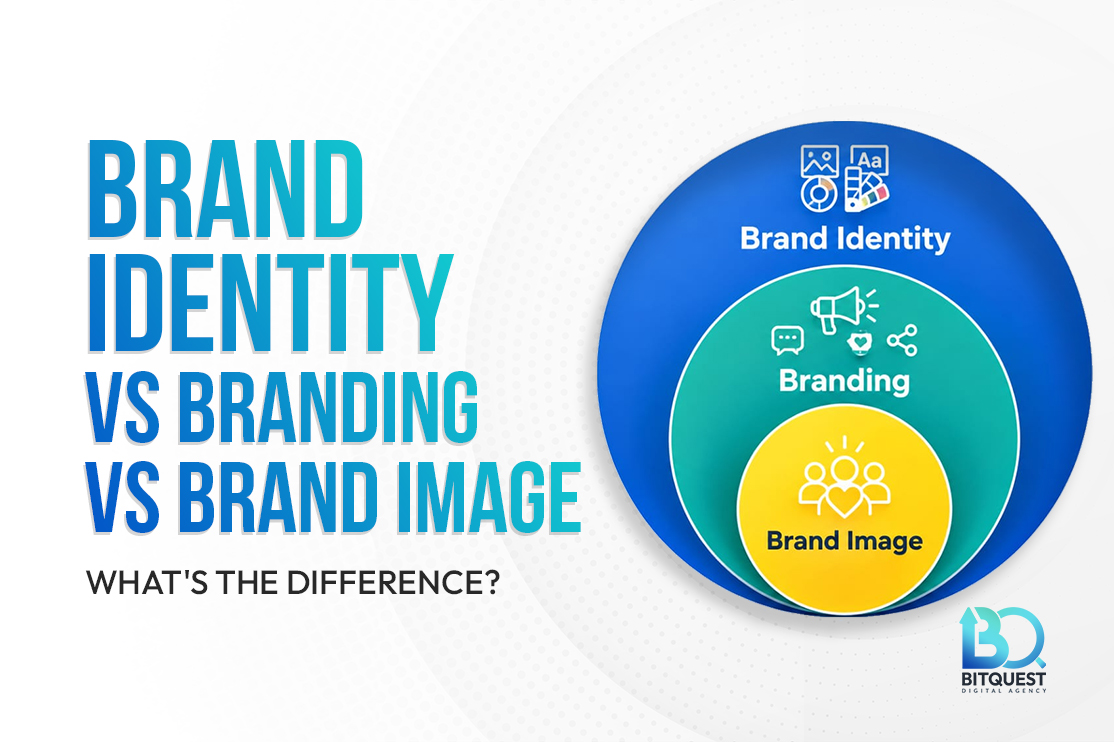
If you have ever worked on a business website, designed a logo, planned a social media campaign or tried to explain what makes your company different, you have probably come across the words brand identity, branding and brand image.
They are often used as if they mean the same thing.
They do not.
And understanding the difference matters because a business can have a great logo but still have weak branding. It can invest heavily in marketing but still struggle to be remembered. It can also have a carefully planned identity that does not match the way customers actually see the business.
So, what exactly is the difference between brand identity vs branding vs brand image?
Let's break it down in simple terms.
What Is Brand Identity?
Brand identity is how a business chooses to present itself.
Think of it as the personality and visual language of your brand.
It includes things such as your logo, colours, fonts and typography, photography style, graphic design, packaging, brand voice, messaging and visual style.
For example, imagine a new coffee shop wants to be seen as modern, relaxed and premium. Its brand identity might use warm colours, simple typography, minimal packaging and friendly language.
Every time a customer sees the logo, visits the website or comes across a social media post, these elements should feel connected.
That consistency is important.
If your Instagram looks completely different from your website, while your brochures have another style altogether, customers may struggle to recognise your business.
This is where branding and graphic design services can play an important role. Good design is not simply about making something look attractive. It should help communicate who the business is and what it stands for.
What Is Branding?
Branding is the bigger picture.
If brand identity is what you create, branding is the ongoing process of building and shaping how people understand your business.
Branding for businesses involves much more than a logo.
Branding can include your positioning, messaging, customer experience, visual identity, communication, content, advertising and the way your business presents itself across different channels.
In other words, branding is not something you finish after designing a logo.
It happens every time someone interacts with your business.
A customer visiting your website, speaking to your sales team, seeing your advertisement or reading your social media content is experiencing your brand.
This is why effective brand marketing needs to go beyond simply promoting products or services. Your marketing should reinforce what your business represents and give people a reason to remember you.
What Is Brand Image?
Brand image is slightly different.
It is how people actually see your brand.
You can decide that your business should feel premium, friendly, innovative or affordable. But ultimately, customers form their own opinions based on what they experience.
That perception is your brand image.
Brand Identity vs Branding vs Brand Image
Brand Identity
What your business chooses to present — including its visual identity, personality, messaging, colours, typography and overall style.
Branding
The ongoing process of building and communicating that identity through marketing, content, customer experience and other brand touchpoints.
Brand Image
How customers actually perceive your business based on what they see, hear and experience.
Ideally, these three should be closely connected.
But they do not always match.
A company may describe itself as customer-focused, for example, but if customers regularly experience slow responses, the brand image may tell a different story.
That gap is worth paying attention to.
Why Brand Positioning Matters
Before working on colours, logos and social media templates, businesses need to answer a more basic question:
What do we want to be known for?
This is where brand positioning comes in.
Brand positioning helps define where your business sits in the minds of your target audience compared with competitors.
Are you the affordable option? The specialist? The premium choice? The innovative newcomer? The trusted local business?
There is no universal answer.
The important thing is having a clear position and communicating it consistently.
Without clear positioning, branding can become a collection of attractive visuals without a clear purpose.
With clear positioning, your design, content and marketing have something to work towards.
Branding Is More Than a Logo
This is one of the most common misunderstandings about business branding.
A logo is important, but it is only one part of the picture.
Imagine seeing a logo for the first time. You might like the design, but you probably cannot understand everything about the company from that logo alone.
Now imagine seeing that logo repeatedly alongside a consistent colour palette, tone of voice, photography style, message and customer experience.
Over time, those elements start creating associations.
That is how recognition develops.
Businesses therefore need to think about the entire brand experience rather than treating branding as a one-time logo design project.
At BitQuest, branding and graphic designing is one of its core service areas, alongside website development, SEO, social media marketing and search engine marketing. This wider combination is useful because branding and digital marketing often need to work together rather than being treated as completely separate activities.
Where Brand Marketing Fits In
Once your brand has a clear identity and position, marketing becomes much easier to direct.
Your advertisements, social media posts, website content, email campaigns and other communications should feel like they come from the same business.
This is where brand marketing solutions can help bring different parts of a marketing strategy together.
For example, a social media campaign should not look disconnected from the company's website. An advertisement should not make promises that the sales team cannot deliver. A promotional campaign should still sound like the same brand.
Consistency does not mean repeating exactly the same content everywhere.
It means maintaining the same underlying personality and message while adapting the format for different platforms.
Brand Awareness Takes Time
Brand awareness is another term that is often misunderstood.
People seeing your logo once does not necessarily mean they remember your business.
Awareness develops through repeated exposure and meaningful interactions.
Someone might see your Instagram post today, visit your website next month, hear your name from a colleague later and eventually become a customer.
This is why businesses should think beyond individual campaigns.
A strong digital branding agency can help businesses create consistency across websites, social media, search, advertising and other digital touchpoints.
The goal is not simply to get noticed once. It is to build familiarity over time.
What About Brand Visibility in AI Search?
There is now another part of the visibility conversation that businesses cannot ignore: AI-powered search.
People are increasingly using AI tools to discover information, compare options and find businesses. This means brands need to think about how clearly their business is represented online, not just how well a website ranks for traditional search terms.
Brand visibility in AI search is closely connected to having clear, consistent and useful information about your business across your digital presence.
Your website should clearly explain what you do, who you serve and what makes you different. Your content should answer genuine customer questions. Your brand name, services and expertise should be presented consistently.
AI search visibility is not about trying to manipulate an AI system into mentioning your business.
It starts with making your business genuinely easy to understand.
So, How Do They Work Together?
The easiest way to remember the difference is this:
Brand identity = What you create.
Branding = What you do to build and communicate it.
Brand image = What people actually perceive.
For a business to build a strong presence, these three areas need to support one another.
Your identity should reflect your positioning.
Your branding should communicate that identity consistently.
And your actual customer experience should support the image you want people to have.
When these elements are aligned, marketing becomes more focused and your business becomes easier to recognise.
Building a Brand That People Remember
There is no shortcut to creating a memorable brand.
It takes clarity, consistency and time.
Start by understanding your audience. Decide what you want to be known for. Build an identity around that positioning. Make sure your website, social media, advertising and customer experience all tell the same story.
Most importantly, do not treat branding as something you only think about when you need a new logo.
Your brand is being shaped every day.
Every post, email, website page, advertisement and customer interaction contributes to how people perceive your business.
For businesses looking to bring these pieces together, BitQuest combines branding and graphic design with digital marketing, website development, SEO, social media and search engine marketing. Its approach is built around tailored strategies rather than treating every business the same.
Conclusion
Your logo may be the first thing people notice, but it is not the whole brand. Your brand identity is how you present your business, branding is the ongoing work of building that presence, and your brand image is how customers actually see you.
When these three work together, your business becomes easier to recognise, understand and remember. From your website and social media to your customer experience and marketing, every touchpoint should feel like part of the same story.
Good branding is not about looking impressive for the sake of it. It is about being clear about who you are, what you offer and why people should choose you.
If you are ready to build a stronger and more consistent brand, BitQuest can help you bring your branding strategy, digital presence and marketing efforts together. Get in touch with our team to explore the right approach for your business.
Ready to Build a Stronger Brand?
If your business has grown but your branding no longer reflects where you are today, it may be time to take another look.
Whether you need a clearer brand identity, stronger positioning, consistent visuals or a digital strategy that brings everything together, the first step is understanding what your brand should stand for.
Looking for professional branding and digital marketing support? Talk to BitQuest about building a brand that is clear, consistent and easier for your audience to remember.
Explore BitQuest's graphic design and branding services, digital marketing solutions and other services to create a stronger presence across today's digital landscape.
FAQs
1. Is brand identity the same as branding?
No. Brand identity is one part of branding. It includes elements such as your visual style, messaging, typography, colours and brand personality, while branding covers the broader process of building and shaping how people understand your business.
2. What are the key elements of brand identity?
Key elements of brand identity include your logo, colours, fonts and typography, photography style, graphic design, packaging, brand voice, messaging and overall visual style. Together, these elements help create a consistent way for your business to present itself.
3. Why is brand positioning important for a business?
Brand positioning helps define how a business wants to be understood in its market and what makes it distinct. It provides direction for messaging, marketing and other branding activities.
4. How does branding influence brand image?
Branding shapes the experiences and communications that customers have with a business. These interactions — from visiting a website and seeing advertising to speaking with a sales team — can influence how customers perceive and remember the brand.
5. How long does it take to build brand awareness?
Building brand awareness takes time and consistent communication. A business needs to repeatedly present a clear identity and message across relevant channels before people become familiar with and remember the brand.
6. How can branding improve brand visibility in AI search?
Consistent brand information, clear positioning and useful online content can support brand visibility in AI search. Maintaining consistent information across your website and other relevant online channels can help AI platforms better understand what your business offers and how it is positioned.