
E-Commerce Personalisation: How to Increase Sales and Customer Loyalty
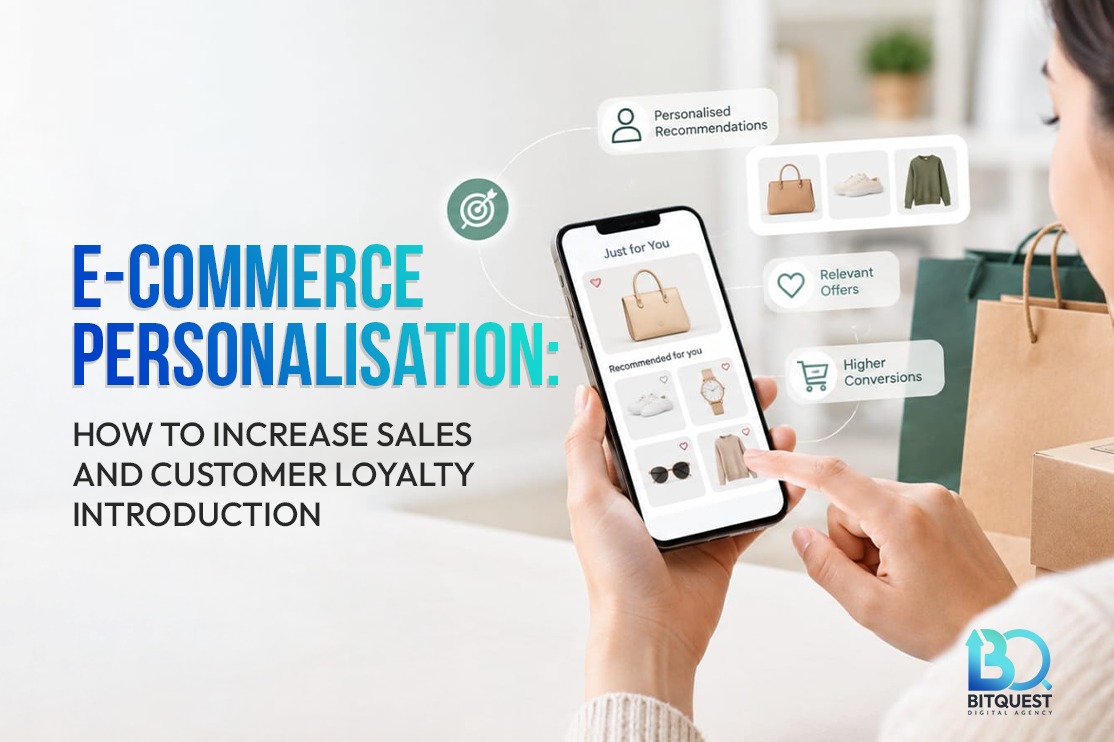
Online shoppers have plenty of choices. If a customer visits your website and struggles to find the right product, they may leave and buy from another store. But when the shopping experience feels relevant to their needs, they have more reasons to stay, explore and return.
E-commerce personalisation helps businesses make online shopping more relevant to individual customers. From recommending products based on previous purchases to sending offers that match a shopper’s interests, small adjustments can make a meaningful difference.
For businesses investing in E-Commerce Marketing Malaysia, personalisation offers a practical way to improve the customer experience, encourage repeat purchases and build stronger relationships without relying on discounts alone.
What Is E-Commerce Personalisation?
E-commerce personalisation means adapting an online store’s content, product suggestions, messages and offers to suit individual shoppers or customer groups. It uses information such as browsing activity, purchase history and stated preferences to make shopping more relevant.
How Personalised Shopping Experiences Work
A personalised shopping experience starts with understanding what customers need. An online store can use information customers have shared, along with their shopping behaviour, to make relevant suggestions.
For example, if someone regularly purchases skincare products, the store might highlight suitable moisturisers or remind them when a frequently purchased item may need replacing.
Examples of Personalisation in Online Stores
Common examples include:
-
Recommending products related to a customer's recent purchase.
-
Showing recently viewed items when a shopper returns.
-
Sending reminders about abandoned shopping carts.
-
Displaying relevant offers based on product categories a customer prefers.
-
Suggesting complementary products, such as accessories for a recently purchased item.
These features help customers discover products without having to search through an entire catalogue.
Why Is E-Commerce Personalisation Important?
Improve Product Discovery
Large product catalogues can overwhelm shoppers. Relevant recommendations help customers find suitable products faster, making the shopping process simpler and more convenient.
Increase Purchase Confidence
Customers often hesitate when they are unsure which product suits their needs. Helpful comparisons, relevant reviews, size guides and complementary suggestions can make decisions easier.
Encourage Repeat Purchases and Customer Loyalty
A positive shopping experience gives customers a reason to return. Thoughtful follow-ups, useful recommendations and relevant reminders can strengthen E-Commerce Customer Retention by making repeat purchases more convenient.
The aim is not to make every interaction promotional. It is to show customers that the business understands their preferences and respects their time.
6 E-Commerce Personalisation Strategies to Increase Sales
1. Offer Personalised Product Recommendations
Recommend products based on browsing patterns, previous orders or items customers frequently purchase together. For example, an online fashion store could suggest matching footwear when a shopper views a dress.
Keep recommendations relevant and manageable. A few useful suggestions are often more effective than filling every page with product carousels.
2. Segment Customers Based on Shopping Behaviour
Customer segmentation for e-commerce involves grouping shoppers according to shared characteristics, such as purchase frequency, product interests or spending patterns.
You might create separate groups for first-time buyers, regular customers and shoppers who have not purchased recently. Each group can receive different messages based on its needs.
3. Personalise Email Marketing Campaigns
Personalised email marketing goes beyond adding a customer's name to the subject line. Share product suggestions, replenishment reminders, new arrivals or offers that relate to their interests.
For example, a customer who regularly buys coffee might appreciate a reminder about a new blend rather than an email promoting unrelated kitchen products.
4. Display Relevant Offers and Promotions
Not every customer needs the same discount. A first-time buyer might respond to a welcome offer, while a returning customer may prefer free delivery or a reward for reaching a purchase milestone.
Use promotions thoughtfully. Excessive discounts can reduce profit margins and teach customers to wait for the next sale.
5. Create Personalised Experiences for Returning Customers
Make it easy for returning shoppers to pick up where they left off. Features such as saved wishlists, order history, preferred delivery details and recently viewed products can remove unnecessary steps.
For businesses with subscription or replenishment products, timely reminders can also make repeat ordering more convenient.
6. Use Browsing and Purchase History Responsibly
Browsing and purchase data can help businesses understand customer interests, but it must be handled carefully. Explain how customer information is used, follow applicable privacy requirements and provide appropriate choices for marketing communications.
Use the information to improve the experience, not to make customers feel watched. Trust is an important part of long-term customer relationships.
How to Implement E-Commerce Personalisation for Malaysian Businesses
Understand Your Target Audience
Start by identifying your customers, their common needs and the problems they encounter while shopping. Consider product preferences, price sensitivity, preferred communication channels and seasonal buying patterns relevant to your Malaysian audience.
Choose the Right Personalisation Tools
Your existing e-commerce platform, customer relationship management system and email marketing software may already offer useful personalisation features. Review these capabilities before investing in additional tools.
Start with High-Impact Personalisation Tactics
You do not need to personalise every part of your website immediately. Begin with practical improvements such as related-product suggestions, abandoned-cart reminders or relevant follow-up emails.
Test Results and Refine Your Strategy
Compare different approaches to find what works for your customers. A/B testing can help you evaluate product placements, email subject lines and promotional messages. Keep changes that improve results without making the shopping experience more complicated.
How to Measure the Success of E-Commerce Personalisation
Personalisation should be judged by actual business results, not assumptions. Track these key metrics:
-
Conversion rate: The percentage of visitors who complete a purchase.
-
Average order value: The average amount customers spend per transaction.
-
Repeat purchase rate: The proportion of customers who buy again within a defined period.
-
Customer lifetime value: The estimated value a customer generates throughout their relationship with your business.
-
Email engagement: Opens, clicks, conversions and unsubscribes from personalised campaigns.
Record your existing performance before making changes. Compare results over similar periods and account for factors such as seasonal demand, advertising spend and promotional activity. Personalisation does not automatically improve every metric.
Common E-Commerce Personalisation Mistakes to Avoid
A strategy can quickly become ineffective when it is poorly planned. Avoid these common mistakes:
-
Too many recommendations: Excessive product suggestions distract customers from their original goal.
-
Irrelevant offers: Promotions that do not match customer interests can feel like spam.
-
Inaccurate data: Outdated information may lead to unsuitable recommendations or repeated messages.
-
Privacy concerns: Collecting or using information without appropriate transparency can damage trust.
-
Over-personalisation: Referring to detailed browsing activity too directly can make shoppers uncomfortable.
Keep personalisation useful, subtle and easy to control.
How BitQuest Can Help Your E-Commerce Business
Successful personalisation depends on more than technology. Your website, content, search visibility and marketing campaigns must work together to attract the right audience and encourage customers to take action.
BitQuest offers services including e-commerce solutions, website design and development, search engine optimisation, social media marketing and search engine marketing. These services can support businesses looking to improve their online stores, reach relevant audiences and build more effective customer journeys.
For example, SEO can help customers discover relevant products through search, while well-planned social media marketing campaigns can bring interested shoppers to your website. Website improvements can then make it easier for visitors to explore products and complete purchases.
As a digital marketing agency Malaysia businesses can work with, BitQuest can help you identify opportunities across your digital presence and develop a strategy suited to your goals.
Explore the services at www.bitquest.net to discuss your business requirements.
Conclusion
E-commerce personalisation is about making shopping easier and more relevant, not making every interaction feel like a sales pitch. Start by understanding your customers, use their information responsibly and measure what works before expanding your efforts.
With the right approach, businesses can create better shopping experiences, encourage repeat purchases and build lasting customer loyalty.
Frequently Asked Questions
What is e-commerce personalisation?
E-commerce personalisation is the practice of adapting product recommendations, website content, offers and marketing messages to match customers' interests and shopping behaviour.
How does personalisation increase e-commerce sales?
It helps customers find relevant products, reduces unnecessary browsing and makes purchasing decisions easier. When implemented effectively, it can improve conversions and encourage repeat orders.
What are the best e-commerce personalisation strategies?
Useful approaches include personalised product recommendations, customer segmentation, targeted emails, relevant promotions, returning-customer features and responsible use of browsing history.
How can small businesses personalise the online shopping experience?
Small businesses can begin with recently viewed products, related-item suggestions, abandoned-cart emails and targeted offers. Many e-commerce platforms provide basic features that do not require a large technology budget.
What tools are used for e-commerce personalisation?
Common options include e-commerce platform features, email marketing software, customer relationship management systems, analytics tools and recommendation engines. The right choice depends on your budget, business needs and available customer data.
How can e-commerce businesses measure personalisation results?
Track conversion rates, average order value, repeat purchases, customer lifetime value and email engagement. Compare these metrics with a baseline to understand whether changes are producing meaningful improvements.
How can personalisation improve customer loyalty?
Relevant recommendations, convenient reordering and useful follow-ups make shopping easier. When customers feel understood without being overwhelmed, they have more reasons to return.